Introduction: Physical health is a fundamental aspect of overall well-being and encompasses various components that contribute to an individual’s physical well-being. This topic explores the importance of physical health, the components involved, and strategies for improving and maintaining good physical health.
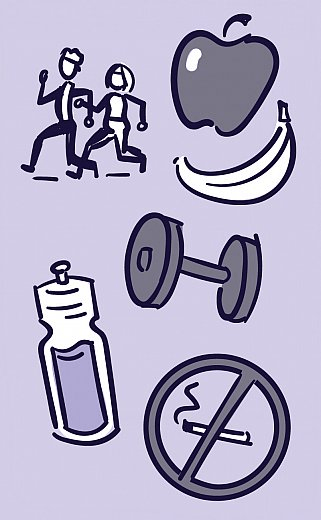
- Importance of Physical Health:
- Physical health’s impact on overall well-being, including mental, emotional, and social aspects.
- The role of physical health in preventing chronic diseases and promoting longevity.
- Enhancing energy levels, productivity, and quality of life through optimal physical health.
- Components of Physical Health:
- Regular exercise: Engaging in physical activities that promote cardiovascular fitness, strength, flexibility, and endurance.
- Nutrition and diet: Consuming a balanced diet rich in nutrients, vitamins, and minerals to support overall health.
- Adequate sleep: Recognizing the importance of quality sleep for physical restoration, immune function, and cognitive performance.
- Maintaining a healthy weight: Achieving and maintaining a healthy body weight through a combination of balanced nutrition and regular exercise.
- Hydration: Staying adequately hydrated to support bodily functions and overall health.
- Avoiding risky behaviors: Minimizing or eliminating habits like smoking, excessive alcohol consumption, and drug abuse.
- Regular health screenings: Seeking preventive care, including routine check-ups, vaccinations, and screenings for early detection of potential health issues.
- Strategies for Improving Physical Health:
- Engage in regular exercise: Incorporate moderate-intensity aerobic activities, strength training, and flexibility exercises into a weekly routine.
- Adopt a balanced diet: Emphasize whole foods, fruits, vegetables, lean proteins, whole grains, and limit processed foods and sugary drinks.
- Practice portion control: Be mindful of portion sizes to maintain a healthy weight and prevent overeating.
- Get sufficient sleep: Establish a consistent sleep schedule, create a sleep-friendly environment, and prioritize quality sleep.
- Stay hydrated: Drink an adequate amount of water throughout the day and limit sugary beverages.
- Manage stress: Utilize stress management techniques such as exercise, relaxation exercises, mindfulness, and seeking social support.
- Limit sedentary behaviors: Reduce prolonged sitting or screen time by incorporating regular movement breaks and standing activities.
- Practice good hygiene: Maintain personal hygiene practices like regular handwashing and dental care to prevent illness.
- Practice safe behaviors: Use protective measures, such as wearing seat belts, using helmets, and practicing safe sex.
- Seeking Professional Guidance:
- Consult healthcare professionals: Regularly visit healthcare providers for preventive screenings, vaccinations, and check-ups.
- Get personalized advice: Seek guidance from healthcare professionals, including physicians, dietitians, and personal trainers, for individualized recommendations based on specific needs and conditions.
- Follow medical recommendations: Adhere to prescribed medications, treatments, and therapies as advised by healthcare professionals.
Conclusion: Prioritizing physical health is essential for a well-rounded and fulfilling life. By focusing on regular exercise, a balanced diet, sufficient sleep, hydration, stress management, and preventive care, individuals can enhance their physical health, reduce the risk of chronic diseases, and improve overall well-being. It is important to consult with healthcare professionals for personalized guidance and support in maintaining and improving physical health.
 Health Harmony